
Frame building
Frames and structures from tube and section, where the dimensions of the whole matter more than those of the separate parts.
The whole determines the tolerance
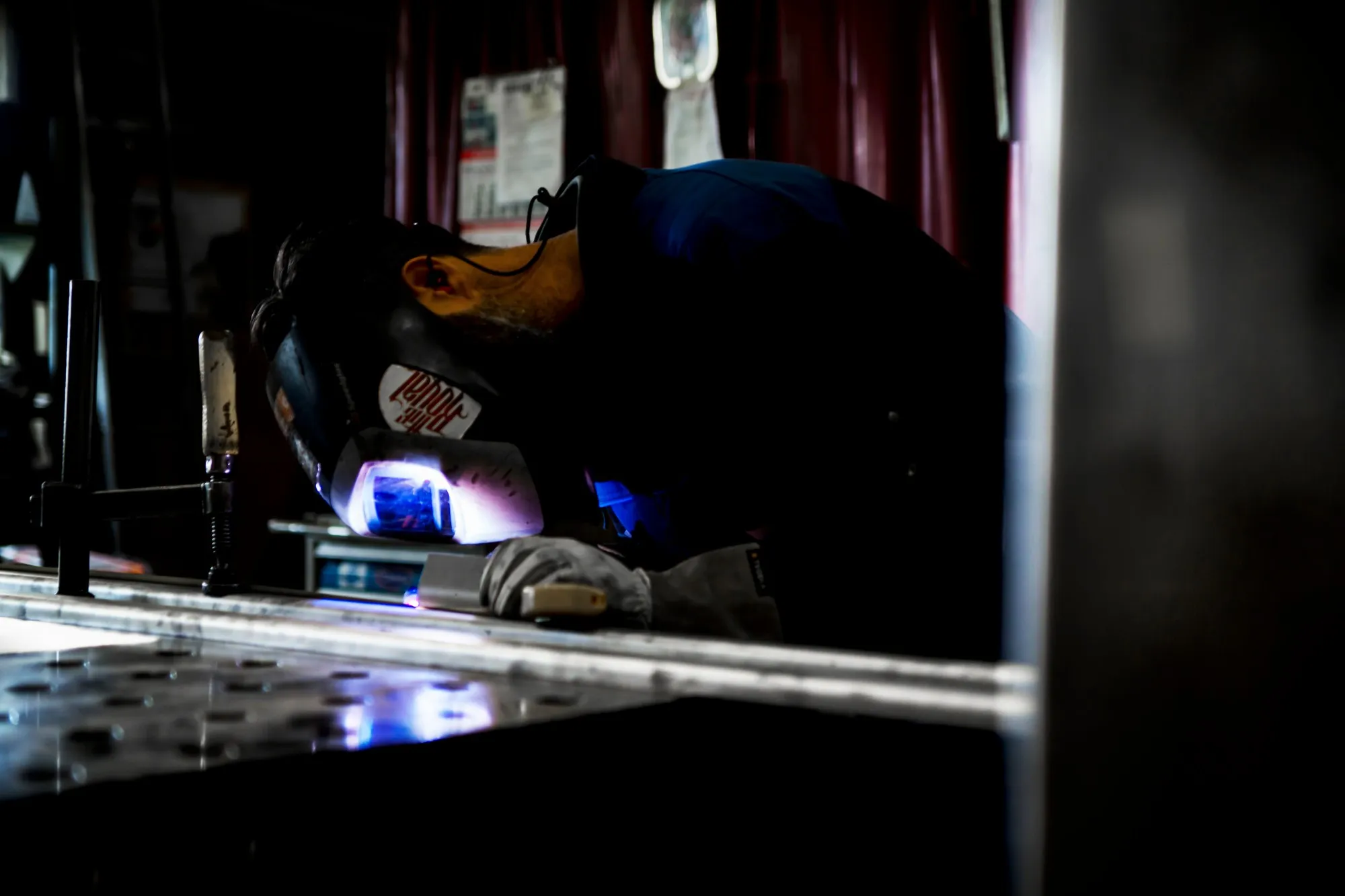
With a frame, what counts is not so much whether each section is exactly right, but whether the assembly is: squareness, diagonal dimension, the position of the mounting points. Those dimensions arise during assembly and welding, not during cutting.
Why we look at the section
When fits, holes and saw cuts are already in the section, a frame comes together more accurately and there is less measuring and aligning during welding. That is what tube laser cutting is for.
What we need from you
A drawing or model of the assembly, and clarity about which dimensions are critical. Once we know that, we can set up the clamping and the welding sequence accordingly.
Frequently asked questions
What counts in the dimensional accuracy of a frame?
With a frame, what counts is not so much whether each section is exactly right, but whether the assembly is: squareness, diagonal dimension and the position of the mounting points. Those dimensions arise during assembly and welding, not during cutting. The dimensions of the whole therefore matter more than those of the separate parts.
Why do you look at the section when building a frame?
When fits, holes and saw cuts are already in the section, a frame comes together more accurately. There is then less measuring and aligning during welding. That is what tube laser cutting is for. It benefits the dimensions of the assembly, which with a frame matter more than those of the separate parts.
What information do you need for a frame?
A drawing or model of the assembly, and clarity about which dimensions are critical, for example squareness, diagonal dimension or the position of the mounting points. Once we know that, we can set up the clamping and the welding sequence of the assembly accordingly.